


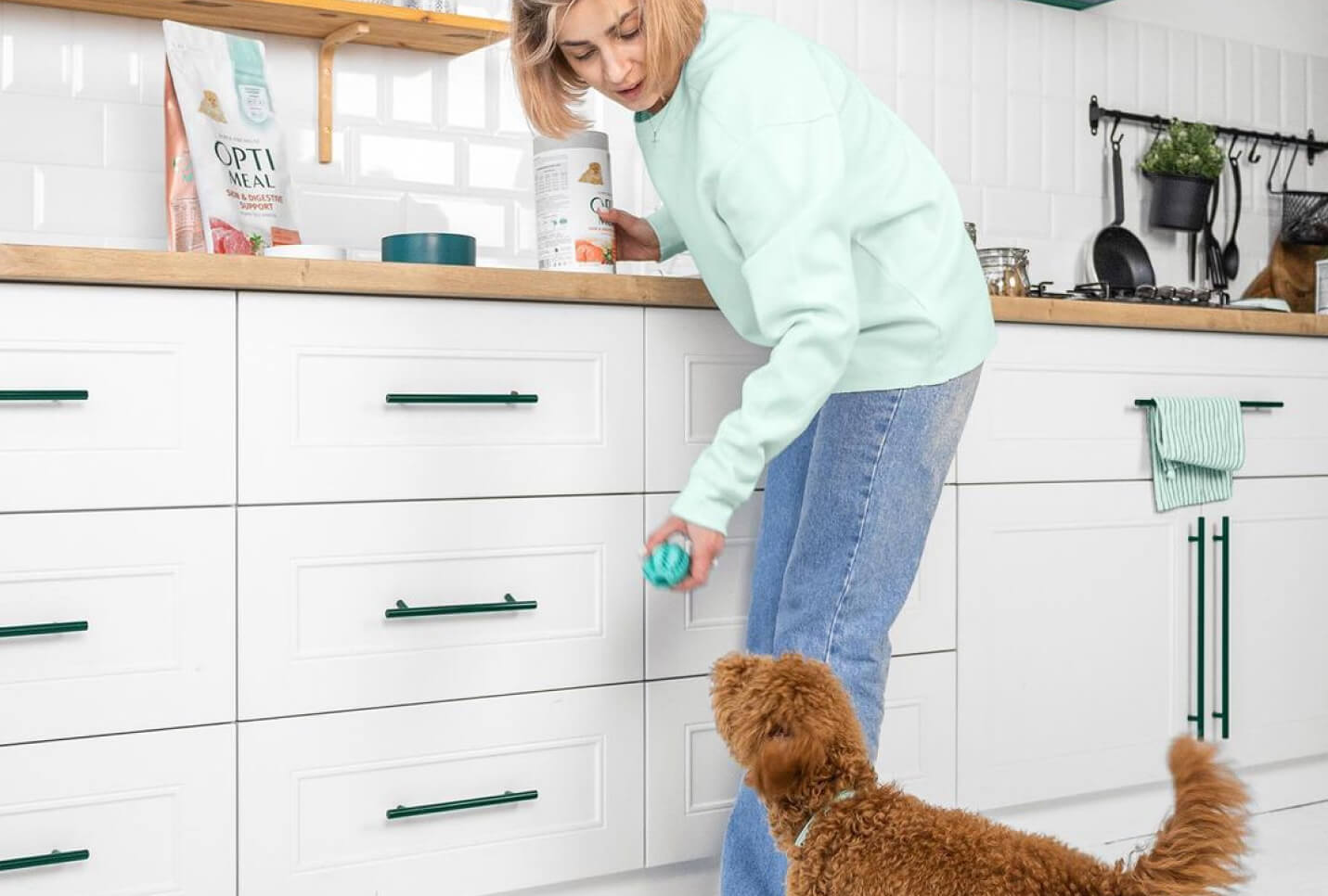
It’s not uncommon for pet parents to worry about the quality of their dog food. They want to ensure their dog gets all the nutrients and protein needed to be both happy and healthy for many years to come.
But once you’ve found the perfect dog food for your pup, how do you store it properly to ensure it stays fresh for as long as possible? Not as much thought is often put into dog food storage as kibble selection.
Additionally, even if you want to store your dog’s food properly, you might not be sure how to do so. If any of that sounds like you, don’t worry. This article will provide several tips to keep your dog food fresh and a few common mistakes to avoid when storing kibble.
Why Is Dog Food Storage Important?
Before we dive into how you should store your dog food, let’s take a close look at why kibble storage is important in the first place. It would be best if you tried to keep your dog food fresh for the same reasons you want to keep your vegetables, dairy, and meat fresh.
If stored improperly, dog food can develop harmful mold and bacteria and attract pests and rodents. Although you may think that dog food is too processed to go bad, don’t be fooled!
Dog food expires just like human food does. Given that you likely buy dog food in bulk, it’s important to keep it fresh for as long as possible to get as many meals as possible out of one bag.
How Long Does Dog Food Last For?
Much like human food, all dog foods are different in terms of how long they last. That said, a good rule of thumb to keep in mind is that kibble should be consumed within roughly six weeks of opening the bag.
Once in the bowl, dog food tends to last for about 24 hours. Try to only put enough food for one meal in your dog's bowl at a time. Doing so will help with portion control and ensure you don’t waste dog food.
How Should You Store Your Dog Food and Keep It Fresh?
Now that you know why dog food storage is important, we’re ready to dive into how to keep your kibble fresh and delicious for your furry friend. This section will break down six easy tactics for dog food storage.
Trust the Original Packaging
When you buy dog food, make sure you buy a bag of food that is properly sealed and in good condition. At some pet stores, you can buy dog food at a discounted price in bags that have been resealed.
Although this may seem like an easy way to save a bit of money, it is risky to buy food for your furry friend that has already been opened. You won't know how long it’s been open and, therefore, won’t know when it is no longer safe for your dog.
Once you buy good, high-quality dog food, you can trust the original packaging. Although many pet parents like to transfer dog food from its original bag to another storage container, it’s okay to leave kibble in the bag.
If the dog food you buy comes in a bag with a plastic sipper or some other type of seal, then it is especially safe. Optimeal packages have a unique zip system Aplix to better preserve the quality of the kibble product. If you really want to transfer your dog food to another container, make sure you put it in a completely air-tight container made from stainless steel or glass.
Always Seal the Bag
If you find a dog food bag that seals, seal it after you get your furry friend’s breakfast or dinner. If you choose to put your dog’s food in an airtight container, ensure you’re closing the container after every time you scoop food.
Although many people gravitate toward airtight plastic containers, glass or metal tends to be better at preserving the flavor of dog food. Plastic can also collect bacteria and oils that may harm your dog and cause the food to go bad faster.
Keep Things Dry, Cool, and Dark
Another important tip for properly storing dog food is to keep it in a place that is both cool and dry. The ideal temperature to store your dog food is 78 degrees Fahrenheit. It would help if you tried to keep as much humidity as possible out of the dog food bag.
Humidity can cause the kibble to mold faster and keeps pests and insects away. You should also avoid exposing dog food to light. Doing so may help keep your dog food fresh for longer.
Check for Expiration Dates
Just like human food, check the dog food for an expiration date before buying it. Generally, organic dog foods or kibble made with fewer preservatives and fillers will have a shorter shelf life. That said, it can be helpful to check the expiration date before you buy dog food to ensure your pup can finish it all before it goes bad.
It is also beneficial to abide by the expiration date. Even though dog food is highly processed, it is impossible to guarantee the nutritional value of dog food after the expiration date. Even if the kibble smells and looks fine, it is a good idea not to feed your dog food that has expired.
Avoid Mixing
We’ve all been in a situation where we get a new bag of dog food, see the old bag of dog food, and feel the urge to pour the new over the old. It’s all just dog food, right? Unfortunately, it’s not that simple.
If you mix old dog food with new food, when the old dog food expires, it may go bad and ruin all of the new dog food. You can easily avoid this problem by waiting until your dog’s food container is completely empty before you put new food in. You can also wash and sanitize the container between food bags to ensure the kibble stays fresh for as long as possible.
Use a Scoop
For the same reason you wouldn’t want a child putting their hands straight into the box to get their cereal in the morning, you shouldn’t grab your dog’s food directly with your hands. Grabbing your dog food directly with your hands may mean that any dirt or bacteria on your hands is transferred to their food.
Additionally, the oils and moisture that naturally accumulate on human hands can cause dog food to go bad sooner because it can cause bacteria to grow.
What Are Common Dog Food Storage Mistakes?
Along with the above tips to keep your dog food fresh, try to avoid these common dog food storage mistakes. This section will closely examine the three most common mistakes pet parents make when storing dog food and what to do instead.
Not Washing Your Dog’s Food Bowl Enough
Most dogs leave their bowls spotless after a meal, licking them clean. Our furry friends tend to be diligent about eating every last crumb, so it can be easy to forget to clean their bowls just like you would clean your plate after dinner.
However, although your pup may leave their bowl spotless, washing your dog’s bowl with soap and hot water after every meal is still important. Although this may seem unnecessary, it is the best way to avoid bacteria, mold, mildew, and other contaminants growing in your dog’s bowl.
Topping Off Dry Dog Food
If you keep your dog’s food in an airtight container, you may be inclined to top it off now and again before it is empty. Doing so may seem like an easy way to save time, but it can be harmful to your furry friend. First, pouring newer food over older food means the kibble will go bad sooner.
Additionally, if you are constantly topping off the kibble container, leftover crumbs can accumulate over time, allowing bacteria to grow. Like with your dog’s bowl, it’s a good idea to thoroughly clean the kibble container every time it is empty and avoid topping it off with new food.
Choosing the Wrong Place To Store Your Dog Food
If your house is slightly low on storage options, it might seem natural to store your dog food in the garage. However, even though this saves space, it also risks exposing the food to excessive heat from car engines and moisture. Both heat and moisture break down the nutrients in dog food.
Instead of storing dog food in the garage, you should think of storing it in the same place you would store your own pantry and canned items.
How Should You Store Wet Dog Food?
We’ve talked a lot about keeping dry food safe and fresh, but what about wet food? Wet dog food comes usually comes in a can. These cans generally have a long shelf life if they are unopened.
However, as soon as you open canned dog food, you should use it by the “best by” date. For this reason, you should not purchase a lot of wet food at once. Only buy what your dog can eat before the “best by” date,
Although the amount of time wet food is good for varies from brand to brand, a good rule of thumb is to keep it in the fridge for a maximum of seven days. If you open canned dog food and leave it out for your pup, you should discard it after four hours.
Conclusion
Many pet parents put ample thought into what food to buy their dogs but overlook how to store that food. But kibble storage is important to keep your furry friend safe and help you get the most out of every bag of food.
You can properly store your dog food by ensuring it is always in a sealed bag in a cool, dry, and dark place. Although it can be tempting to transfer your dog food from the original bag, most high-quality dog foods come in resealable bags that keep the kibble safe for longer.
Keep an eye on the expiration date for wet and dry dog food, and wash your pup’s bowl after every meal. All of these tips will help keep your dog’s tail wagging.
Sources:
The risk of salmonellae shedding by dogs fed Salmonella-contaminated commercial raw food diets | NIH
Preliminary assessment of the risk of Salmonella infection in dogs fed raw chicken diets | NIH


